Article: The Infrared Sauna Debate: Health Hack or "Human Microwave"?
The Infrared Sauna Debate: Health Hack or "Human Microwave"?
If you have spent any time browsing wellness forums or fitness subreddits lately, you have probably noticed a heated debate bubbling up. On one side, you have wellness influencers and biohackers praising infrared saunas as the ultimate daily recovery tool. On the other side, traditional sauna purists are scoffing, going so far as to label these modern wooden boxes "human microwaves."
So, what is the truth? Are infrared saunas a cheap substitute for the real thing, or are they a legitimate, accessible way to upgrade your health from the comfort of your own home?
How Are They Different from Traditional Saunas?
The fundamental difference lies in how they generate heat. A traditional Finnish sauna uses a wood-fired or electric stove to heat a room full of rocks. You pour water on the rocks to create steam, and the ambient air temperature soars to anywhere from 170°F to 200°F. The intensely hot air is what warms your body.
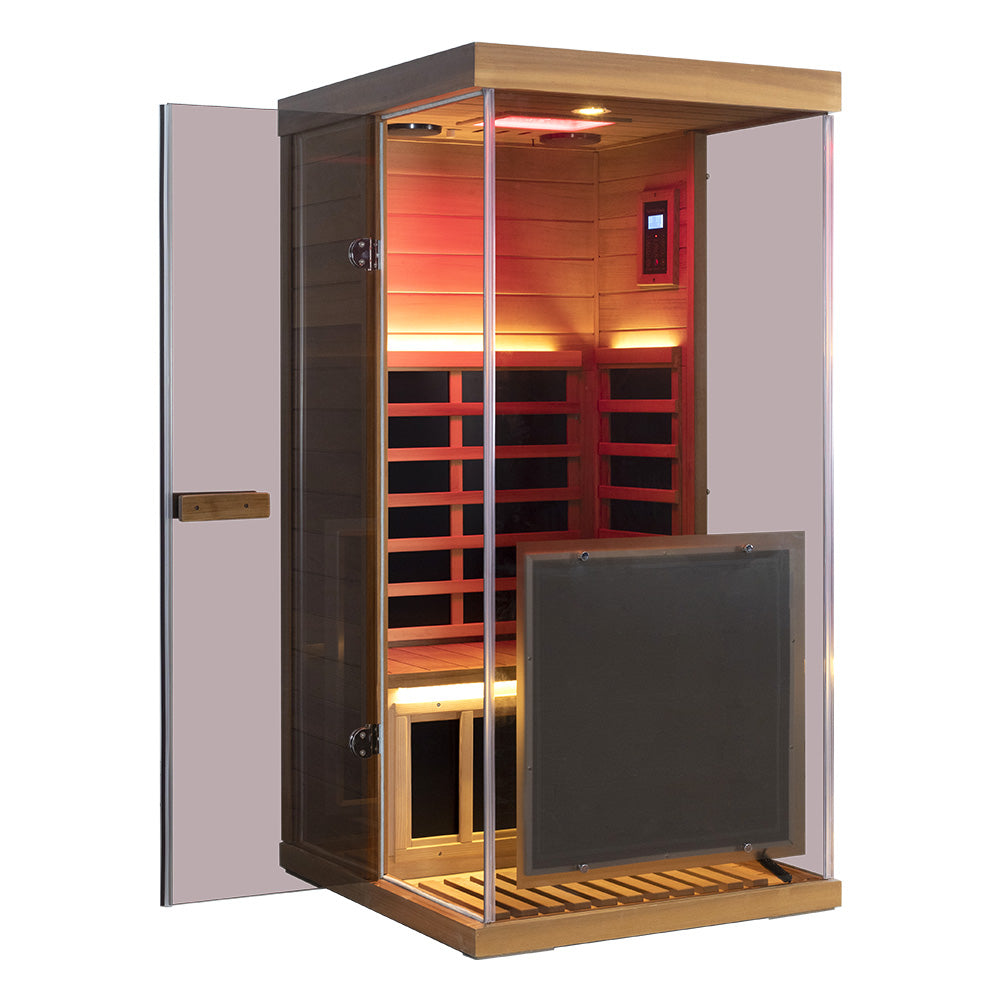
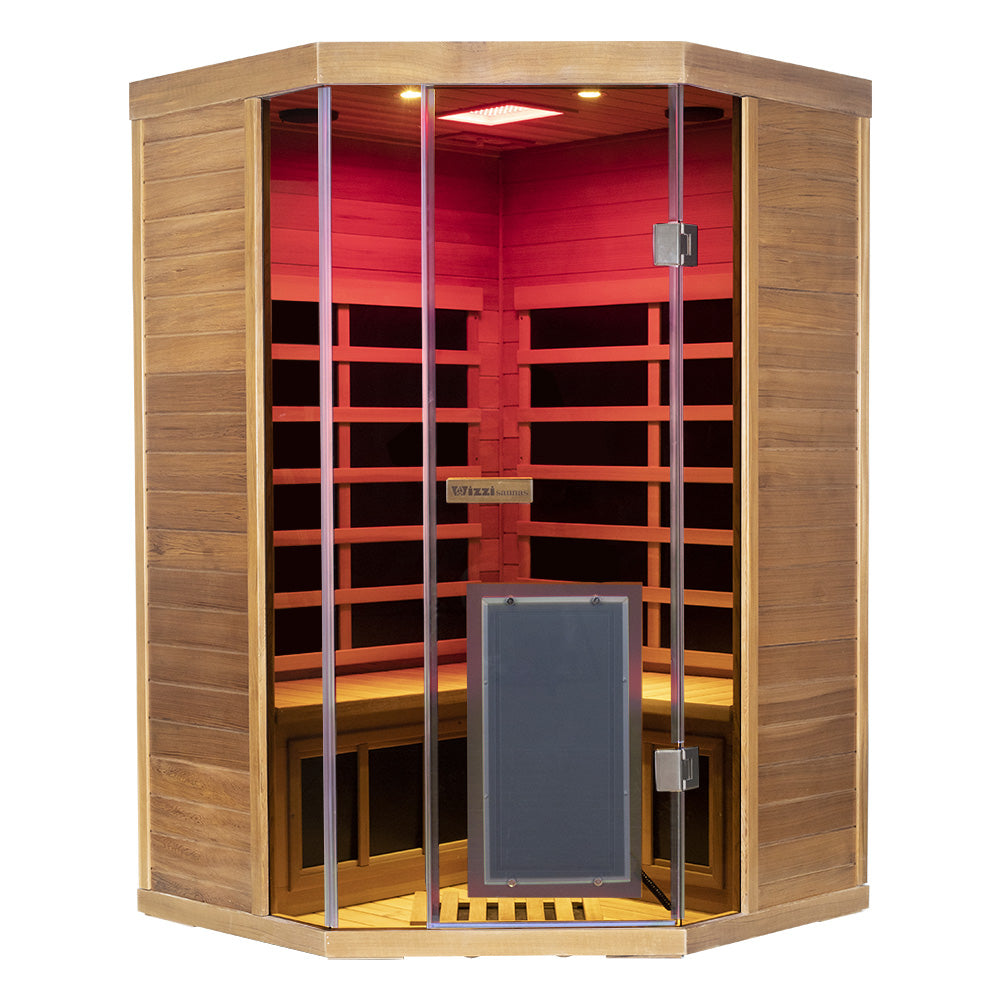
Infrared saunas skip heating the air. Instead, they use light panels to emit infrared waves that penetrate your skin and heat your body directly from the inside out. Because they don't rely on ambient heat, they operate at a much lower, more tolerable temperature—usually between 120°F and 150°F—while still inducing a deep, heavy sweat.
The Great Debate: Purists vs. Practicality
If you venture into spaces like Reddit's r/Sauna, you will find strong opinions. Traditionalists often gatekeep the term "sauna," arguing that without the intense heat and the ritual of steam (called löyly), an infrared cabin simply does not deliver the authentic, fulfilling shock to the system that a real sauna provides.
However, the massive popularity of infrared saunas comes down to two undeniable factors: cost and convenience.
Building a traditional sauna requires thousands of dollars, specialized ventilation, proper floor drainage, and a dedicated 240v electrical circuit. In contrast, many home infrared saunas are relatively affordable, require very little floor space, and can plug directly into a standard 120v wall outlet. For apartment dwellers or budget-conscious homeowners, infrared is often the only realistic option.
Beyond the Marketing: What Are the Real Benefits?
It is easy to get swept up in exaggerated marketing claims about "sweating out heavy metals" or burning hundreds of calories while sitting still. While those claims are largely overblown, infrared saunas do offer legitimate, scientifically backed physiological benefits:
-
Cardiovascular Health: The heat stress mimics mild cardiovascular exercise, temporarily raising your heart rate and improving blood vessel function.
-
Muscle Recovery & Joint Relief: The deeply penetrating heat increases blood flow, which helps flush out metabolic waste after workouts and loosens stiff, aching joints.
-
Better Sleep: Using a sauna in the evening raises your core temperature. The subsequent rapid drop in temperature after you get out signals to your brain that it is time to sleep, leading to deeper, more restorative rest.
Decoding the Wavelengths
If you are shopping for an infrared sauna, you will likely see marketing around "full-spectrum" panels. This simply means the sauna utilizes three different wavelengths of infrared light:
-
Near-Infrared: Penetrates just below the skin's surface. It is highly regarded for cellular renewal, skin health, and wound healing.
-
Mid-Infrared: Reaches deeper into soft tissue, making it excellent for circulation and muscle recovery.
-
Far-Infrared: Penetrates the deepest into the body. This is the heavy lifter that induces a profuse sweat, elevates your core temperature, and delivers the primary cardiovascular benefits.
What About Safety and EMFs?
Infrared heat itself is entirely safe. It is the same naturally occurring heat your body absorbs from the sun, just without the harmful, skin-damaging UV rays.
However, because these cabins are powered by electrical panels surrounding your body, they do generate Electromagnetic Fields (EMFs). While the scientific consensus on the dangers of low-level EMF exposure remains mixed, prolonged exposure is a concern for many wellness advocates. If you are in the market for one, looking for certified "low-EMF" models is a standard best practice for peace of mind.
Ultimately, the best sauna is the one you will actually use. While purists may always prefer the searing heat of a traditional steam cabin, the convenience of a home infrared setup allows for daily consistency—and when it comes to long-term health benefits, consistency beats intensity every time.

Written by Katherine Millet